The Effects of Climate Change on the Skin and How to Adapt
Climate change directly impacts skin health, influencing its hydration, oiliness, and sensitivity. With rising temperatures, humidity variations, and increased exposure to UV rays, it's essential to understand these effects to adjust your skincare routine and protect your skin.
How climate change affects the skin
Skin reacts directly to climatic conditions, adapting to environmental changes. However, extreme alterations can cause considerable damage:
-
Dry and hot climates: Skin loses water more quickly, resulting in dehydration, dryness, and premature aging. This compromises the skin barrier, increasing susceptibility to irritation and flaking.
-
Humid and hot climates: Increased sebum production can make skin oilier, prone to acne and clogged pores. High humidity also favors bacterial growth, worsening conditions like acne and dermatitis.
-
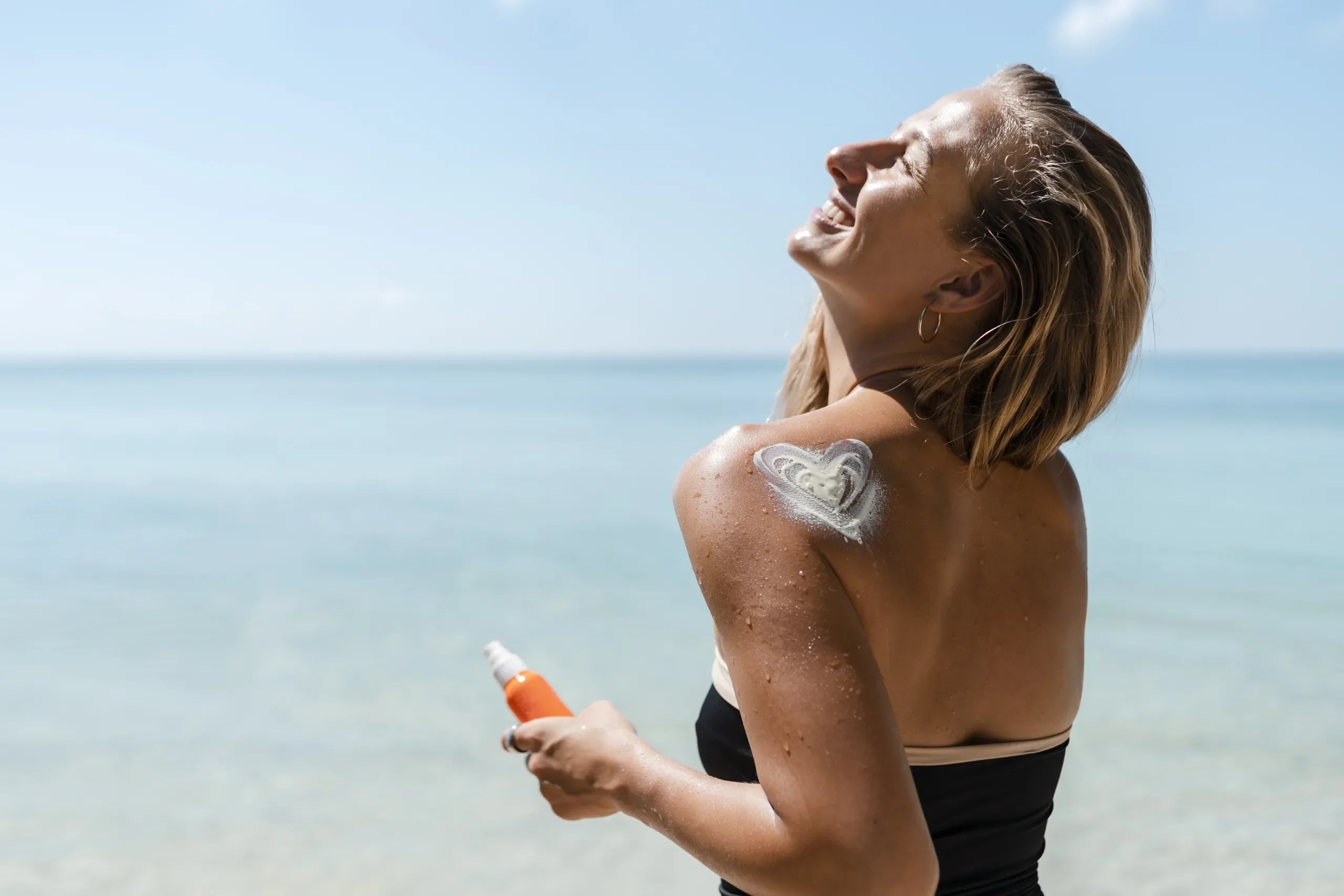
Intense sun exposure: UVB rays cause immediate sunburn, while UVA rays penetrate deeply, leading to premature aging and increasing the risk of skin cancer.
-
Abrupt temperature changes: These variations make the skin more sensitive, potentially triggering inflammation, redness, eczema, and irritations.
Tips to adapt your skincare routine
1. Hydrate adequately
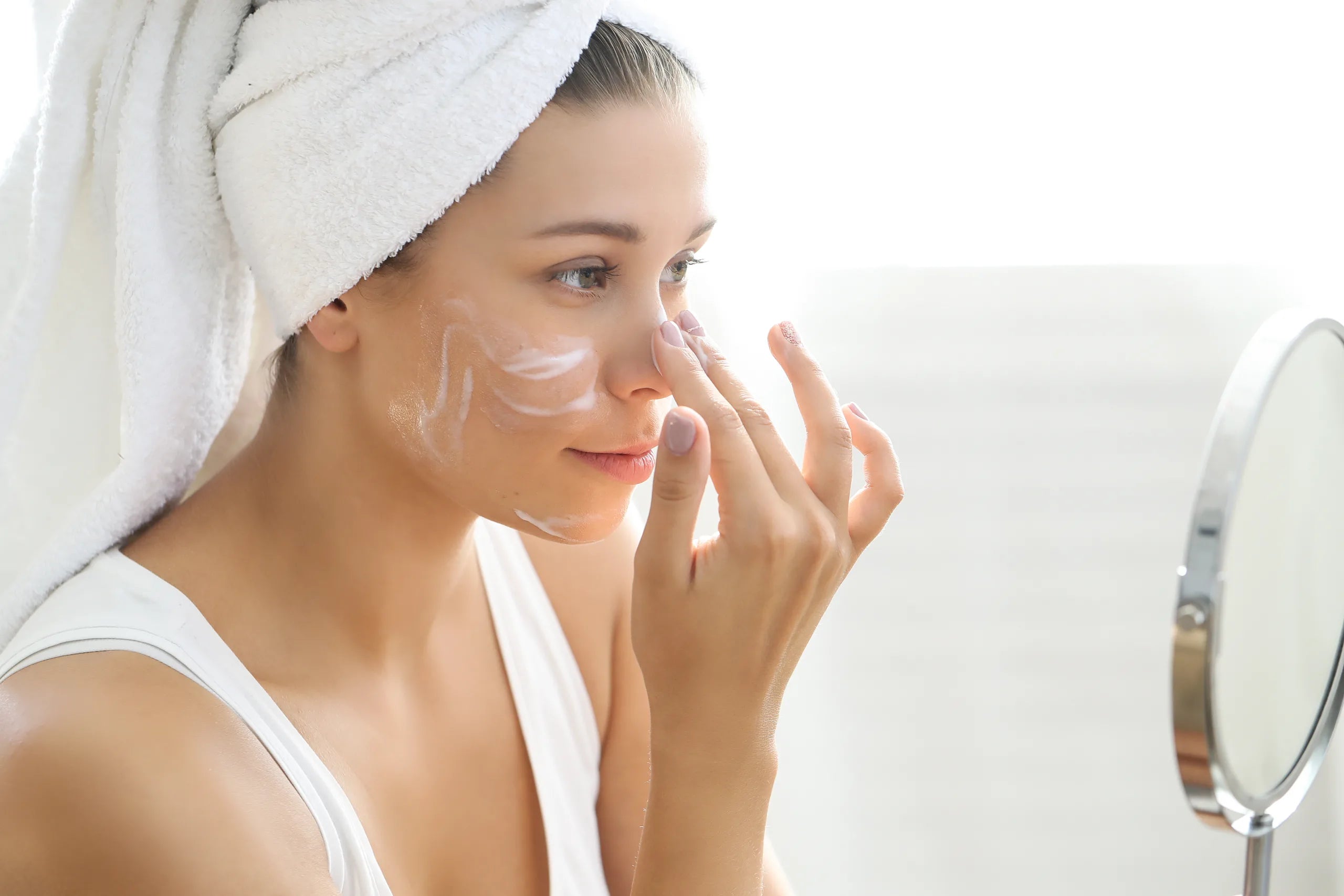
- In dry climates, opt for moisturizers rich in hyaluronic acid and ceramides to retain moisture.
- In humid climates, prefer lightweight, non-comedogenic formulas.
2. Use daily sun protection
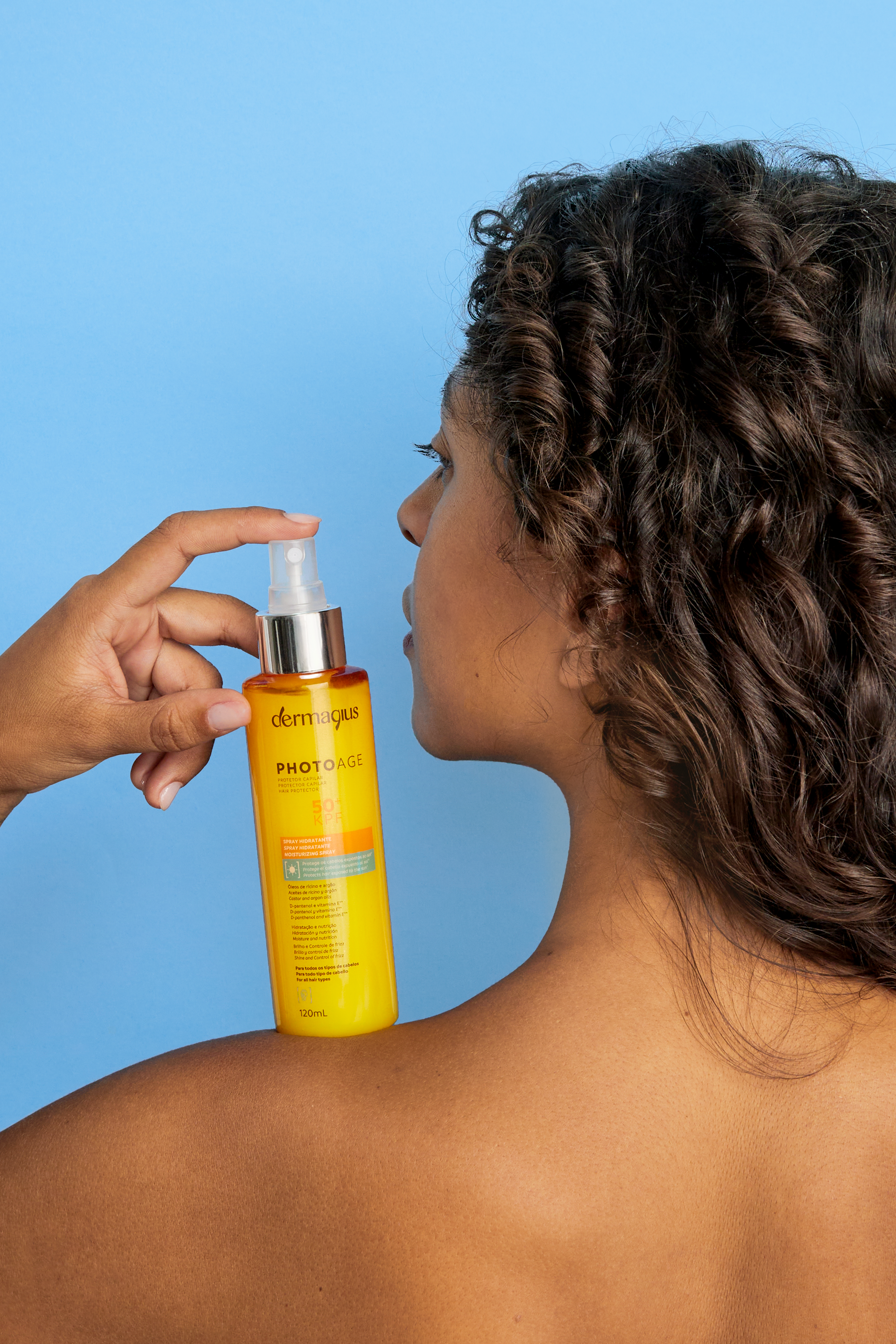
- Choose a broad-spectrum sunscreen with an adequate SPF, reapplying every two hours or after exposure to water or sweat.
3. Gentle cleansing
- Use soap-free cleansing products to remove impurities without damaging the skin barrier. Avoid over-washing your face, especially in dry environments.
4. Strengthen the skin barrier
- Include products with niacinamide or linoleic acid to strengthen the skin's natural barrier and keep it protected against external irritants.
5. Adjust care to the seasons
- Winter: Opt for denser moisturizers to combat dryness caused by cold weather.
- Summer: Invest in products that control oiliness and offer extra protection against solar rays.
Adapt and protect your skin
Climate change requires extra attention to your skincare routine. Incorporating practices adapted to environmental conditions and using suitable products help mitigate adverse effects, ensuring healthy and protected skin throughout the year. Consult a dermatologist to further personalize your skincare.